Poem

Old-MacDonald-Had-a-Farm-Poem

Old MacDonald Had a Farm Poem

Old MacDonald Had a Farm Poem “Old MacDonald Had a Farm” is a traditional children’s song and nursery rhyme with uncertain origins. It is believed to have originated in the United States in the early 20th century. The song’s composer is unknown, and it is considered a folk song. The song is typically sung to teach young children about the various animals found on a farm and their sounds. Each verse of the song introduces a new animal, such as cows, pigs, and ducks, and describes the sound they make. The lyrics and melody of the song have been adapted and translated into many different languages around the world. “Old MacDonald Had a Farm” has been popularized through various media, including recordings, films, and television shows. The song has also been used in educational programs for children, such as in teaching animal sounds and farm animals. The simplicity and repetition
Read More »
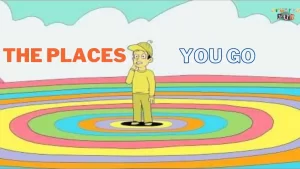
the-Places-You-Go

Oh, the Places You Go: Newer and Older Versions

Oh, the Places You Go: Newer and Older Versions “Oh, the Places You’ll Go!” is a children’s book written and illustrated by Dr. Seuss. It was first published in 1990 and has since become a popular graduation gift. The book is written in Seuss’s signature rhyming style and follows a young protagonist as he sets out to explore the world and pursue his dreams. The book’s message is one of encouragement and optimism, emphasizing the potential for anyone to achieve great things if they have the courage and perseverance to pursue their goals. It also acknowledges the challenges and setbacks that are a natural part of any journey, and encourages readers to stay strong and keep moving forward. The book has been praised for its universal appeal, with readers of all ages finding inspiration and comfort in its pages. Its colorful illustrations and imaginative characters have become iconic symbols of

Read More »
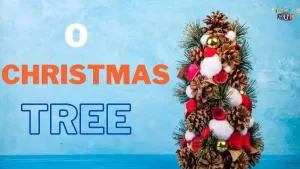
O-Christmas-Tree

O Christmas Tree Poem: New and Original Versions

O Christmas Tree Poem: New and Original Versions Origin: The lyrics for “O Christmas Tree” were originally written in German in the early 19th century. The German title is “O Tannenbaum.” Writer: The original author of the lyrics is unknown, but it is believed that they were inspired by an old German folk song. Meaning: The song is a tribute to the beauty and importance of the Christmas tree, which has become a beloved symbol of the holiday season. Language: The song was originally written in German, but has since been translated into many different languages, including English. Other information: “O Christmas Tree” has become a popular Christmas carol around the world and is often sung during holiday celebrations. The melody of the song is based on a traditional German folk tune called “Es lebe hoch der Zimmermannsgeselle.” The lyrics have been adapted and changed over time, and there are

Read More »
Little-Miss-Muffet

Little Miss Muffet Poem: New and Original Versions

Little Miss Muffet Poem: New and Original Versions Origin: “Little Miss Muffet” is a traditional English nursery rhyme that dates back to the late 18th century or early 19th century. Writer: The original author of the poem is unknown. Meaning: The poem tells the story of a young girl named Miss Muffet who is frightened by a spider while eating her curds and whey. The meaning of the poem is open to interpretation, but some have suggested that it could be a cautionary tale about the dangers of being easily frightened. Language: The poem is written in English. Other information: “Little Miss Muffet” has become a popular cultural reference, appearing in books, movies, and even as the name of a character in the popular video game franchise “Final Fantasy”. The nursery rhyme has also been parodied and adapted in various ways over the years. Little Miss Muffet (New Version) Little

Read More »
Mary-Had-a-Little-Lamb

Old and New Versions of the Mary Had a Little Lamb Poem

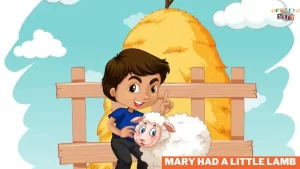
Old and New Versions of the Mary Had a Little Lamb Poem Origin: “Mary Had a Little Lamb” was first published in 1830 as a poem written by Sarah Josepha Hale. The poem is believed to have been based on a true story about a girl named Mary Sawyer, who had a pet lamb that followed her to school one day. Writer: Sarah Josepha Hale, an American writer and editor, is the credited author of “Mary Had a Little Lamb.” Language: The poem was originally written in English. Other interesting information: Mary had a little lamb (New Version) Mary had a little lamb, Its fleece was black as coal, And everywhere that Mary went, The lamb was sure to go. It followed her to school one day, Which was against the rule, But Mary didn’t mind at all, She thought it was quite cool. The children laughed and played with

Read More »
Mary-Mary-Quite-Contrary

Mary Mary Quite Contrary Poem older and newer version

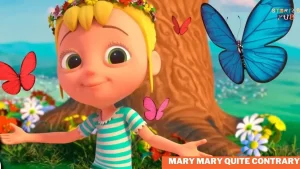
Mary Mary Quite Contrary Poem older and newer version “Mary, Mary, Quite Contrary” is a traditional English nursery rhyme that is believed to have originated in the 18th century. The author is unknown, but it is thought to have been based on the life and actions of Mary, Queen of Scots. The poem has many interpretations and meanings, but it is generally agreed that it is about a young woman named Mary who is very particular about her garden. The first two lines, “Mary, Mary, quite contrary, how does your garden grow?” suggest that Mary takes great pride in her garden and is very particular about how it looks. The third line, “With silver bells and cockle shells,” is somewhat mysterious and has been the subject of much speculation over the years. Some believe that the line refers to Mary’s use of bells and shells as decoration in her garden,

Read More »
Little-Bo-Peep

Little Bo-Peep Original and New Version

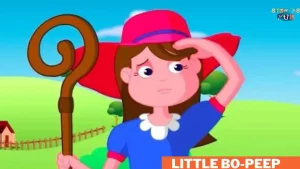
Little Bo-Peep Original and New Version Origin: “Little Bo-Peep” is a nursery rhyme that has been passed down through oral tradition for centuries. Its origins are uncertain, but it was first recorded in its modern form in the early 19th century. Writer: “Mother Goose” is a traditional English nursery rhyme character who is credited with the authorship of many classic nursery rhymes, including “Little Bo-Peep.” However, the true identity of Mother Goose is unknown, and it is likely that the character is a composite of multiple authors. Language: “Little Bo-Peep” is written in English, but variations of the poem exist in many different languages. Meaning: The poem is a cautionary tale about the importance of responsibility and perseverance. It tells the story of a young shepherdess who loses her sheep and must work hard to find them again. The message is that it is important to be diligent and never

Read More »
Johny-Johny-Yes-Papa

Johny Johny Yes Papa Poem: New and Original Versions

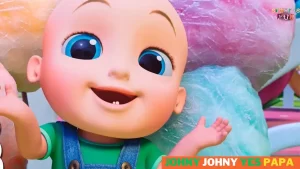
Johny Johny Yes Papa Poem: New and Original Versions The poem “Johny Johny Yes Papa” is a nursery rhyme that has been passed down through generations. The origins of the poem are unclear, but it is believed to have originated in the United States in the 20th century. The poem features a conversation between a child named Johny and his father. The father asks Johny if he is eating sugar, to which Johny initially denies. However, when asked again, Johny admits to eating sugar and is scolded by his father. The poem is often accompanied by hand movements and gestures, making it a popular choice for children’s play and learning activities. Its simple and repetitive lyrics make it easy for children to remember and sing along. Despite its popularity, the poem has been criticized by some for promoting a culture of fear and shame around food and eating habits. Nonetheless,

Read More »
Jingle-Bells

Jingle Bells Poem: New and Original Version

Jingle Bells Poem: New and Original Version Origin: “Jingle Bells” is a popular Christmas song that originated in the United States in the 19th century. The song was first published in 1857 under the title “The One Horse Open Sleigh” and was written by James Lord Pierpont. Writer: James Lord Pierpont (1822-1893) was a songwriter and composer from Massachusetts, USA. He composed many popular songs during his lifetime, but “Jingle Bells” remains his most famous work. Meaning: “Jingle Bells” is a fun and festive song that celebrates the joys of Christmas and winter. The song is about riding in a sleigh with friends, enjoying the snow, and spreading cheer. Language: The original version of “Jingle Bells” is written in English. Other information: “Jingle Bells” has been covered by many artists over the years, and is now considered a classic Christmas song. The tune has been used in many different contexts,

Read More »
Jack-and-Jill-Poem

Jack and Jill Poem, Original and Newer Version

Jack and Jill Poem, Original and Newer Version “Jack and Jill” is a popular nursery rhyme that has been passed down through oral tradition for centuries. Its origins are unclear, but it is believed to have originated in England. The first recorded version of the rhyme appeared in the 18th century, in a book titled “Gammer Gurton’s Garland” (1784). The rhyme tells the story of two children, Jack and Jill, who go up a hill to fetch a pail of water. While attempting to fetch the water, Jack falls down and injures himself, followed by Jill. The second verse suggests that Jack recovers from his injury, but the fate of Jill is not clear. The poem’s author is unknown, and it is generally attributed to the Mother Goose collection of nursery rhymes. “Mother Goose” is a fictional character who first appeared in French folklore in the 17th century, and was

Read More »
Jabberwocky

Jabberwocky Poem: Newer and Older Versions

Jabberwocky Poem: Newer and Older Versions “Jabberwocky” is a nonsensical poem written by Lewis Carroll and was first published in his novel “Through the Looking-Glass” in 1871. Lewis Carroll is a pseudonym for Charles Lutwidge Dodgson, who was an English writer, mathematician, and logician. The poem is known for its inventive use of neologisms and portmanteau words, which are words that combine the meaning of two words into one. The poem tells the story of a young boy who sets out to slay a fearsome creature called the Jabberwock. Despite the poem’s nonsense language, it has become a beloved work of literature and is often studied for its linguistic and creative elements. The language used in the poem is a combination of English and nonsense words. Carroll created words such as “frabjous,” “galumphing,” and “chortle” for the poem, and many of these words have entered the English language and become

Read More »
It’s-Raining-It’s-Pouring

It’s Raining It’s Pouring: New and Original Versions

It’s Raining It’s Pouring: New and Original Versions “It’s Raining, It’s Pouring” is a well-known English nursery rhyme, the origins of which are uncertain. The poem was first recorded in the early 20th century, but it may have been passed down orally for centuries prior. The poem describes an old man who is soundly sleeping in his bed as the rain falls outside. However, the repeated refrain of “It’s raining, it’s pouring, and the old man is snoring” suggests that the man’s slumber may be disturbed by the sound of the rain. The meaning of the poem is somewhat ambiguous, but it is often interpreted as a simple description of a rainy day and the comfort of being cozy and warm inside while the rain falls outside. Others have suggested that the poem may have deeper meanings related to aging, mortality, and the passage of time. “It’s Raining, It’s Pouring”

Read More »