Poem

Twinkle-Twinkle-Little-Star

Old and New Versions of “Twinkle Twinkle Little Star” Poem

Old and New Versions of “Twinkle Twinkle Little Star” Poem The famous nursery rhyme and children’s poem “Twinkle Twinkle Little Star” has been a favorite of both children and adults for many years. Here’s some more information about this popular poem: Origin: The exact origins of “Twinkle Twinkle Little Star” are unclear, but the melody is believed to have originated from a French song called “Ah! vous dirai-je, Maman” (meaning “Oh, Shall I Tell You, Mama?”). This melody was used for various nursery rhymes and children’s songs throughout Europe before it was paired with the lyrics of “Twinkle, Twinkle, Little Star.” Writer: The lyrics of “Twinkle Twinkle Little Star” were written by Jane Taylor, an English poet and author. She and her sister Ann published a collection of poems for children called “Rhymes for the Nursery” in 1806, which included “Twinkle, Twinkle, Little Star.” The poem was originally titled “The
Read More »
Wheels-on-the-Bus

The Wheels on the Bus Poem: Older and Newer Versions

The Wheels on the Bus Poem: Older and Newer Versions “The Wheels on the Bus” is a popular children’s song of unknown origin. The song has been sung and adapted in many different languages and cultures around the world. The original version is thought to have been written in English, although there is no known author. The song was first recorded in the United States in 1939, but its origins are believed to date back much further. It has become a popular nursery rhyme, sung by children and parents alike, and is often accompanied by hand gestures or actions. The lyrics of the song describe various parts of a bus and the people or things that are found on it, such as the wheels, wipers, driver, and passengers. The song has been adapted in many different ways, including versions that feature different modes of transportation or different actions to accompany

Read More »
The-Hokey-Pokey

The Hokey Pokey Poem: New and Original Versions

The Hokey Pokey Poem: New and Original Versions “The Hokey Pokey” is a popular children’s song and dance that originated in the United Kingdom in the 1940s. The origins of the song are unclear, but it is believed to have been based on a similar dance called the “Hokey Cokey” that was popular in the 1940s in the mining communities of northern England. The song’s simple lyrics encourage participants to follow the dance moves, which involve putting different body parts in and out, shaking them all about, and turning around. The dance has since become a staple at parties, events, and children’s gatherings around the world. “The Hokey Pokey” has been translated into many different languages and is known by various names, including the “Hokey Cokey” and the “Okey Pokey.” The song has also been adapted into a variety of different versions, such as the “Chicken Dance” and the “Bunny

Read More »

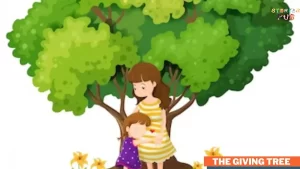
The Giving Tree Poem: New and Original Versions

The Giving Tree Poem: New and Original Versions “The Giving Tree” is a beloved children’s book written and illustrated by Shel Silverstein. It was first published in 1964 and has since become a classic in children’s literature. The story follows the relationship between a young boy and a tree, which gives the boy everything he needs throughout his life. The book has been translated into over 30 languages and has won numerous awards. The meaning of the story has been widely debated, with some seeing it as a representation of selflessness and unconditional love, while others view it as a cautionary tale about taking advantage of nature and relationships. Shel Silverstein was a prolific writer and illustrator, known for his whimsical and humorous poetry and stories. He also wrote several other children’s books, including “Where the Sidewalk Ends” and “A Light in the Attic.” Overall, “The Giving Tree” continues to

Read More »
Roses-Are-Red

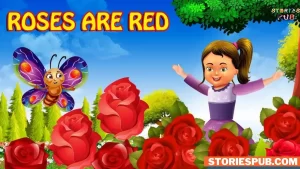
Roses Are Red Poem

Roses Are Red Poem The origin of the “Roses Are Red” poem can be traced back to the 16th century. The first known version of the poem appeared in a collection of nursery rhymes called “The Melodies of Mirth” in 1783. The poem has since been adapted and used in many different contexts, including as a Valentine’s Day message. The meaning of the poem is straightforward: it is a simple expression of love and admiration. The poem uses the beauty of roses as a metaphor for the beauty of the person being admired. The “violets are blue” variation is often added to create a rhyme. Language-wise, the poem is in English, with a simple rhyme scheme of AABB. It has become a popular cultural reference and has been parodied and adapted numerous times in literature, movies, and music. Interestingly, the poem’s popularity has led to the creation of “anti-Valentine’s Day”

Read More »
Row-Row-Row-Your-Boat

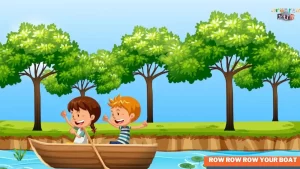
Row Row Row Your Boat Poem

Row Row Row Your Boat Poem The nursery rhyme “Row Row Row Your Boat” is a popular English-language children’s song that has been enjoyed for generations. However, the origins of the song are somewhat uncertain, and there is no definitive author. The earliest known publication of the lyrics dates back to the mid-19th century in America, but it is believed to have been sung for many years before that. The rhyme is typically sung in rounds, with each singer starting at a different time to create a harmonious effect. The melody is simple and repetitive, making it easy for children to learn and sing along to. The lyrics are usually interpreted as an analogy for life, with the “boat” representing the individual’s journey through life and the “stream” representing the passage of time. Over the years, the song has been adapted and modified in various ways, with different variations of

Read More »
Cat-in-the-Hat

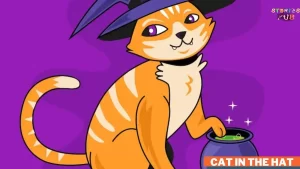
The Cat in the Hat Poem (Newer and Original Versions)

The Cat in the Hat Poem (Newer and Original Versions) “The Cat in the Hat” is a children’s book written and illustrated by Dr. Seuss, which was first published in 1957. The story follows two children, Sally and her brother, who are stuck at home on a rainy day. The Cat in the Hat, a mischievous anthropomorphic cat, suddenly appears and turns their boring day into an exciting adventure. The book is written in anapestic tetrameter, a poetic meter used frequently in Dr. Seuss’s works, and has become a classic in children’s literature. The book’s underlying message is about the importance of creativity and imagination, and how they can turn mundane situations into exciting adventures. The Cat in the Hat represents the idea of unbridled creativity and the freedom to explore one’s imagination without fear of consequences. The book has been adapted into numerous forms of media, including an animated

Read More »
Ring-a-Ring-o-Roses

Ring a Ring o Roses Poem: New and Original Versions

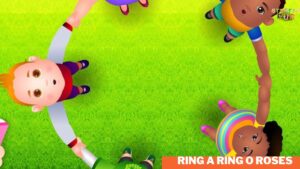
Ring a Ring o Roses Poem: New and Original Versions Origin and Writer: The origin of “Ring-a-Ring o’ Roses” is unclear, but it is believed to have originated in England in the late 19th century. The rhyme was first published in its modern form in 1881 in the book “Kate Greenaway’s Mother Goose”. The writer of the poem is unknown. Meaning: There are many interpretations of the meaning behind “Ring-a-Ring o’ Roses,” but one of the most popular theories is that it is about the bubonic plague. The “roses” refer to the red rash that was a symptom of the disease, the “pocketful of posies” were used to ward off the smell of the disease, and the “a-tishoo, a-tishoo” represents the sneezing and coughing that were symptoms of the disease. However, there is no concrete evidence to support this theory. Language and Other Information: “Ring-a-Ring o’ Roses” is a nursery

Read More »
Rainbow

8 Best Poems on the Rainbow for Kids

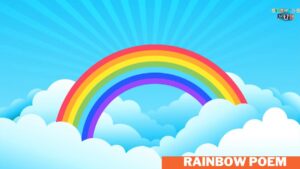
8 Best Poems on the Rainbow for Kids Rainbows are a beautiful and magical natural phenomenon that have inspired poets for centuries. Rainbow poems for kids typically focus on the vivid colors and the feelings of joy and wonder that rainbows evoke. These poems are usually short, simple, and easy to understand, making them ideal for young readers and listeners. Some common themes in Rainbow poems for kids include the colors of the rainbow, the magical and mysterious nature of rainbows, and the feelings of happiness and hope that rainbows bring. Poets often use imagery and descriptive language to paint a vivid picture of a rainbow in the minds of young readers. Overall, Rainbow poems for kids are a fun and engaging way to introduce children to the beauty of poetry and the wonders of the natural world. They can inspire a love of language, spark the imagination, and foster

Read More »
Rain-Rain-Go-Away-Poem

Rain Rain Go Away Poem: New and Original Version

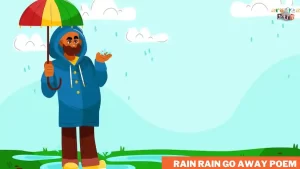
Rain Rain Go Away Poem: New and Original Version “Rain, Rain Go Away” is a popular nursery rhyme with unknown origins. It is believed to have been around since the 17th century, with different variations and versions over time. The original version of the poem was different from the one we know today, and it was longer. The current version is a simple and repetitive song that is easy for children to learn and sing. The meaning of the poem is straightforward – it’s a plea to the rain to stop and go away. It’s a common phrase used to express frustration with rainy weather or other undesirable situations that one wishes to change. In the context of the nursery rhyme, it’s also a wish for better weather so that children can play and have fun outside. The poem is typically sung in English, and it has been translated into

Read More »
Pussy-Cat-Pussy-Cat

Pussy Cat Pussy Cat Poem: New and Original Version

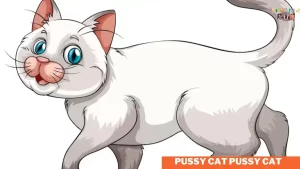
Pussy Cat Pussy Cat Poem: New and Original Version The poem “Pussy Cat Pussy Cat” is a traditional English nursery rhyme with an unknown author and origin. It is believed to have been written in the late 18th or early 19th century. The poem’s lyrics describe a curious cat’s travels to various locations, including a queen’s palace and a farmer’s field, before returning home. The meaning of the poem is somewhat unclear and can be interpreted in different ways. Some have suggested that the poem may have originally been a political satire or a commentary on social hierarchy. Others view it simply as a lighthearted children’s rhyme meant to entertain and engage young readers. Despite its uncertain origins and meaning, “Pussy Cat Pussy Cat” remains a popular and beloved nursery rhyme around the world. It has been translated into various languages and has inspired adaptations in books, television shows, and

Read More »
One-Two-Buckle-My-Shoe

One Two Buckle My Shoe Poem: New and Original Versions

One Two Buckle My Shoe Poem: New and Original Versions Origin and Writer: The nursery rhyme “One, Two, Buckle My Shoe” is believed to have originated in England in the early 19th century. The author of the poem is unknown, as is the exact date of its creation. It is likely that the poem was passed down orally for generations before it was eventually recorded in print. Meaning: The poem is a counting rhyme that helps children learn to count from one to twenty. Each line of the poem adds one more item to count, starting with the buckle on the shoe and ending with twenty blackbirds. The rhyme is also often used as a game where children act out the actions described in each line. Language: The poem is written in English and is a popular nursery rhyme in many English-speaking countries, including the United States, the United Kingdom,

Read More »
Other Stories